Keeping Hawai‘i Running
(Partner Content) Jonathan Tseu, regional vice president of Hensel Phelps’ Pacific region is helping build the resilient infrastructure that Hawai‘i’s communities rely on every day.
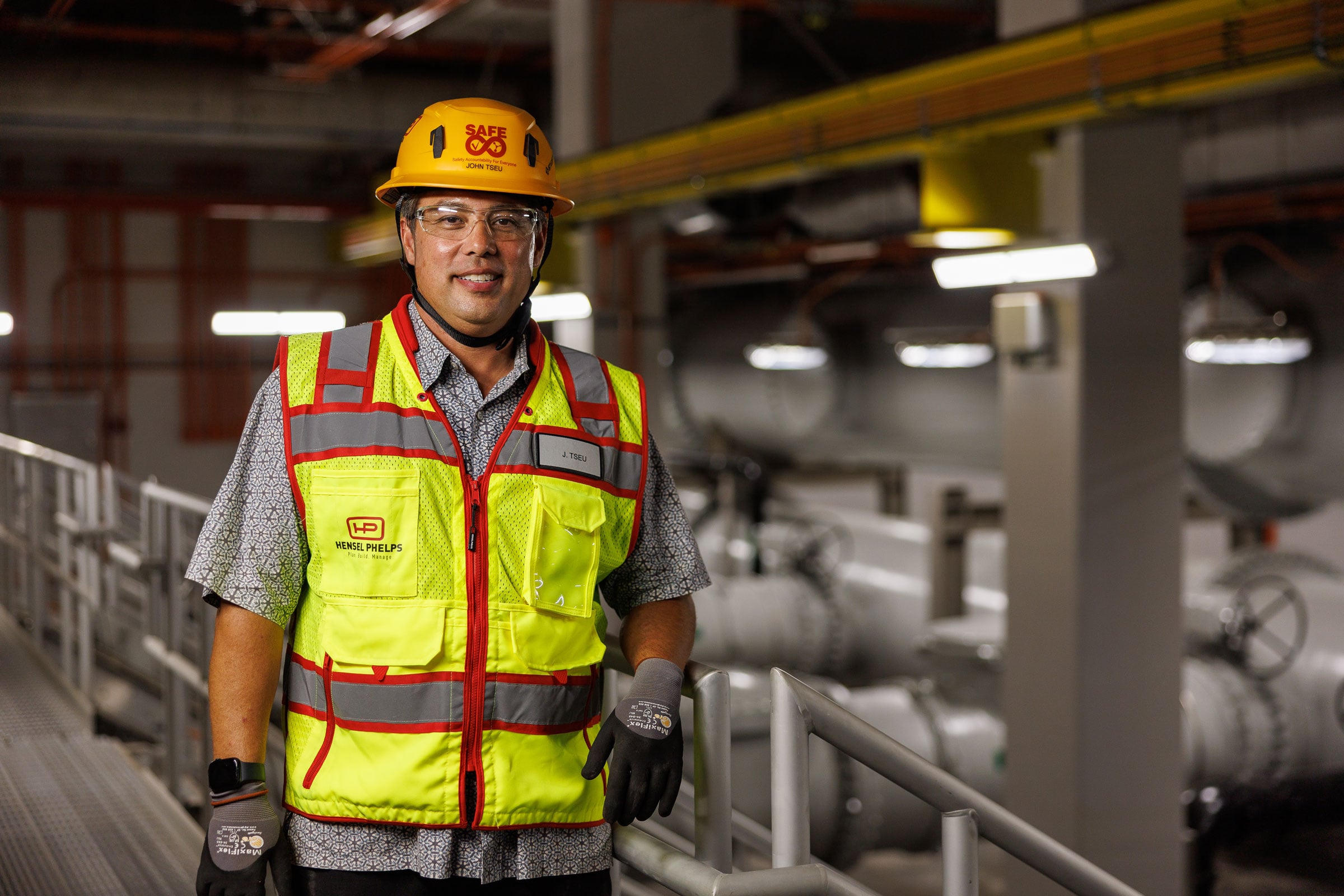
Every day, Hawai‘i’s communities rely on infrastructure most people never see. From water and wastewater systems to transportation, aviation, healthcare and other essential facilities, the infrastructure built today plays an important role in the safety, resilience and future of the Islands—and Jonathan Tseu has spent nearly three decades helping build the infrastructure that keeps Hawai‘i running.
“The best infrastructure projects are the ones nobody notices are here,” says Tseu, regional vice president of the Pacific region at Hensel Phelps, one of Honolulu’s leading general contractors and construction companies. “They’re the projects that operate every single day, just the way they’re supposed to.”
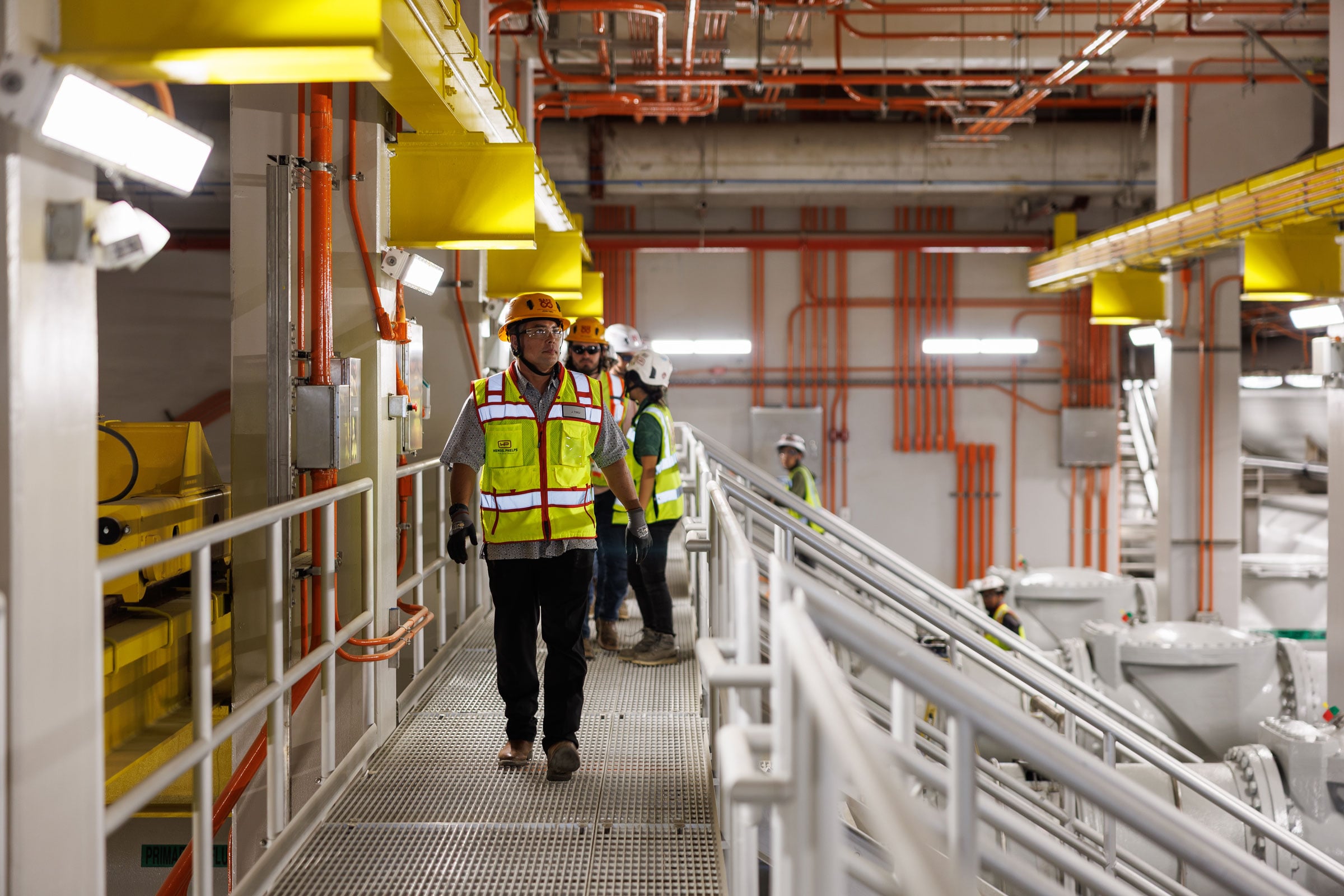
Hensel Phelps is currently at work on a large-scale modernization project at a wastewater treatment facility on O‘ahu, one example of the complex infrastructure work the company takes on across Hawai‘i.
“It’s not just about building infrastructure—it’s about safeguarding systems that our residents rely on every single day.”
“Water quality is really so important. It helps protect our beaches, and the reef, and the environment, and in the end helps to stimulate economic growth and tourism,” Tseu says. “So don’t think about it so much as what happens when we flush the toilet? It’s really about protecting Hawai‘i and what’s so special about Hawai‘i.”
One of the most challenging parts of the project is that the plant can’t stop operating while Hensel Phelps rebuilds it. “Every detail has to be planned and communicated and executed at a high level, every single day, every single time,” Tseu says. “The community can’t take a day off from wastewater service, and neither can the facility, and neither can we.”
Working in an active environment like this requires constant coordination among the project’s owners, trade partners, craftspeople, architects and engineers—a team Tseu says is united by “a common goal and a passion for the bigger picture.”
He doesn’t take this responsibility lightly. “Frankly, it’s humbling, but it’s also incredibly gratifying,” he says. “The work that we’re doing today is going to impact families, businesses and the future generations of Hawai‘i long after construction’s finished.”
For an island community, resilient infrastructure takes on particular importance. “Infrastructure that’s built here has to be resilient, reliable and built to serve the communities for generations,” he says. “It’s not just about building infrastructure—it’s about safeguarding systems that our residents rely on every single day.”

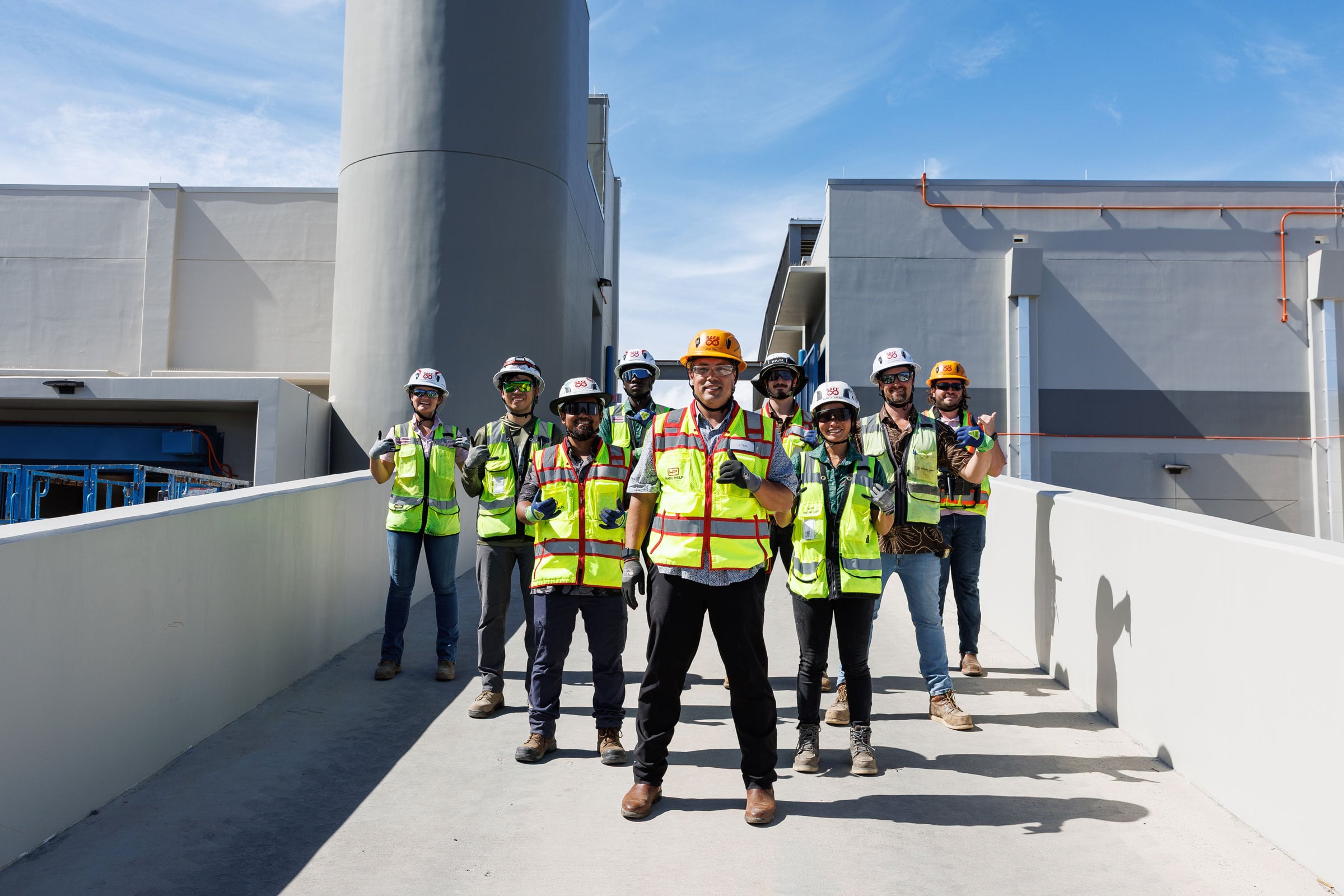
At its peak, the project employed roughly 40 project managers, superintendents, engineers and others, alongside about 150 craftspeople. More than 1,000 people have cycled through the jobsite over the life of the project.
“It’s all about partnerships,” Tseu says. “We’ve been able to create a lot of incredible relationships with our trade partners and with the trade unions, and in the end, we find it to be really our responsibility to provide opportunities for the next generation of builders in Hawai‘i.”
For Tseu, a nearly 30-year Hensel Phelps veteran who started with the company as an intern, that responsibility to Hawai‘i is personal. “This isn’t just where I work; it’s my home, too,” he says. “My family has a long history here in Hawai‘i, and I look forward to my kids and the next generation building their lives here.”
He sees the company and its employees as being stewards, investing in the Islands’ people and communities, all while respecting the local culture. This commitment extends beyond the job through Hensel Phelps’ deep support of nonprofits, including Girl Scouts of Hawai‘i, the Boys & Girls Club, Big Brothers Big Sisters and Special Olympics Hawai‘i. Employees also mentor local students through programs like the ACE Mentor Program, and recently completed a park beautification project alongside the Hawai‘i Softball Foundation near the project site.
“Our responsibility is a lot bigger than just construction,” Tseu says. “What we really do is invest in people and invest in place. We want to contribute in a way that supports the long-term health and success of Hawai‘i. In the end, that’s really what being a community partner means to us.”
For more information about Building for a Better Hawai‘i, visit the PRP website and follow @prphawaii.